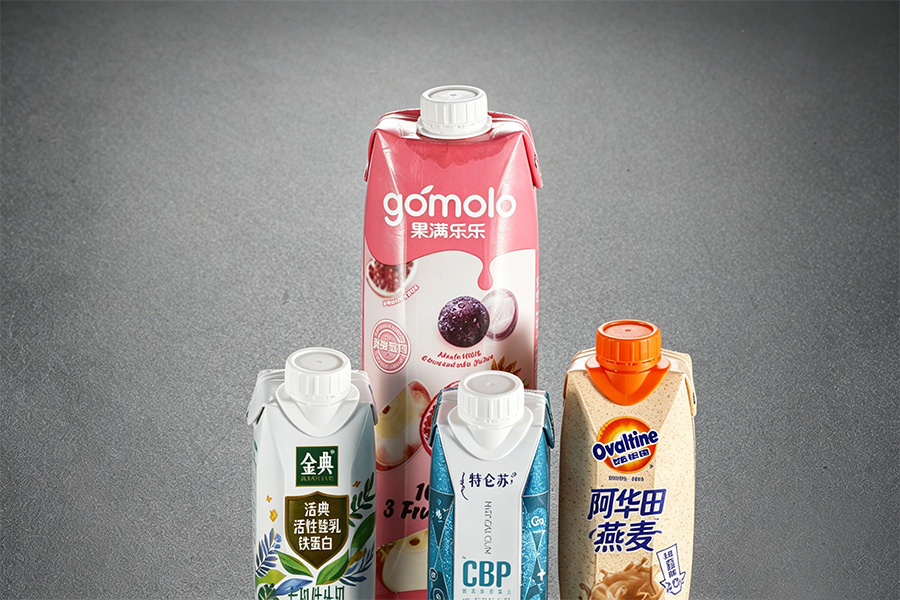
Bir şişe su alıyorsun, kapağını çeviriyorsun, bir yudum alıyorsun ve tekrar çantana koyuyorsun. Bu kapak küçük bir parça gibi görünse de şişenin sızdırıp sızdırmadığını, suyun taze kalıp kalmadı...
DAHA FAZLA OKU

dil

Aseptik Ambalaj Malzemeleri
Aseptik Ambalaj Malzemeleri ve Kapak Tedarikçisi
Hakkında
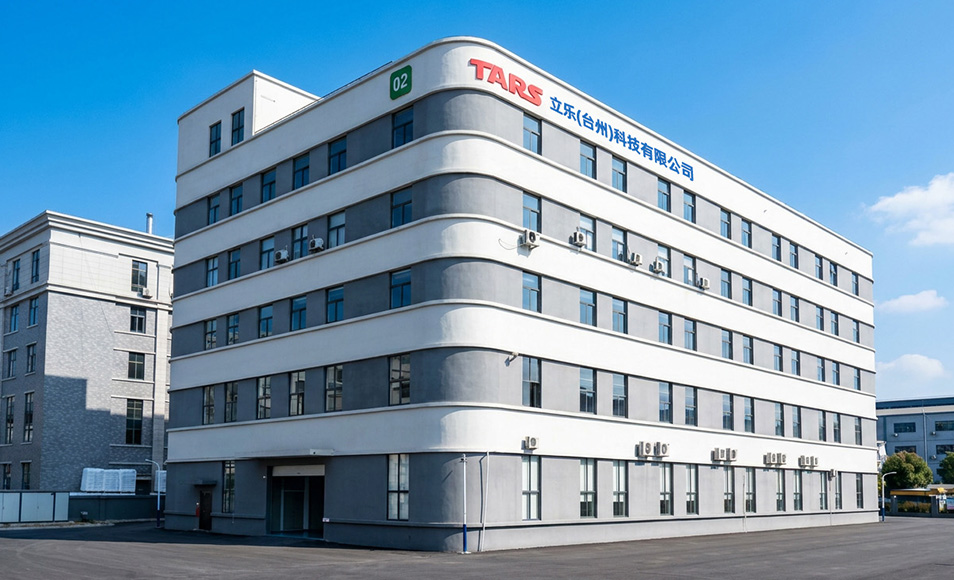
Lile (Taizhou) Technology Co., Ltd.
1993 yılında kurulduk, "ustalık, önce kalite" temel felsefesini sürekli olarak benimsedik ve küresel şişe kapağı endüstrisinde lider olmaya kararlıyız. Çin merkezli bir OEM/ODM aseptik ambalaj malzemeleri ve kapak tedarikçisi ve aseptik ambalaj malzemeleri ve kapak tedarikçisi kaynak fabrikası, aşağıdakilerin üretiminde uzmanız: aseptik ambalaj malzemeleri ve kapak. Sürekli teknolojik yenilik ve malzeme araştırma ve geliştirme yoluyla, içecekler, gıdalar, kozmetikler ve ilaçlar dahil olmak üzere çok çeşitli ürünler için güvenli, güvenilir, çevre dostu ve son derece özelleştirilmiş ambalaj çözümleri sağlıyoruz.
Profesyonel bir kaynak üreticisi olarak, hammadde tedarikinden üretim ve işlemeye, lojistik ve dağıtıma kadar tek elden bir tedarik zinciri sistemi kurduk; her bağlantının hassas bağlantısını sağlıyor ve ortaklara son derece istikrarlı, zamanında ve uyarlanabilir şişe kapağı çözümleri sunuyoruz.
Profesyonel bir kaynak üreticisi olarak, hammadde tedarikinden üretim ve işlemeye, lojistik ve dağıtıma kadar tek elden bir tedarik zinciri sistemi kurduk; her bağlantının hassas bağlantısını sağlıyor ve ortaklara son derece istikrarlı, zamanında ve uyarlanabilir şişe kapağı çözümleri sunuyoruz.
Kuruluş
1993
Yıl
Ürün Çeşitleri
30+
Tür
Üretim Kapasitesi
800+
Milyon Adet
Bloglar
-
-
28 mm'lik plastik kapaklardan oluşan yeni bir parti şişeleme hattına ulaştığında, test çalışması birkaç dakika içinde başarısız olabilir. Kapaklar doğru görünüyor ve 28 mm'ye yakın ölç...
DAHA FAZLA OKU -
Formülünüz sonuçlandırılır, dolum hattına teklif verilir ve ardından aşağı yöndeki hemen hemen her şeyi şekillendiren karar gelir: aseptik karton ambalaj formatının seçilmesi. Üçgen üst, tuğla, ...
DAHA FAZLA OKU -
Çoğu içecek kartonu arızası, kartonun içindeki meyve suyu, süt veya kahveden kaynaklanmaz. Kapaktan kaynaklanırlar. HeliCap şişe kapakları ıslak koşullar, titreşim ve tekrarlanan açıl...
DAHA FAZLA OKU -
Plastik su şişesi kapakları sipariş etmek, taşıma sırasında yeni bir SKU sızıntı yapmaya başlayana veya kapak taretini sıkıştırana kadar kolay görünür. Uygulamada kapak hassas bir bileşendir...
DAHA FAZLA OKU -
500 ml'lik aseptik UHT süt kartonu, altı ay veya daha uzun süre buzdolabında saklanabilir. Karton ışığı engelliyor, alüminyum katman oksijeni engelliyor ve polietilen katmanlar kenarları he...
DAHA FAZLA OKU -
Bir şişe su veya gazlı meşrubat satın aldığınızda kapak işlevsel, standartlaştırılmış ve değiştirilebilir bir üründür. Süt kartonu kapakları farklıdır. Süt veya yoğurt kartonunun kapağı gıda güv...
DAHA FAZLA OKU -
Hızlı Yanıt Aseptik karton, katmanlı mukavvadan, ince bir polietilen filmden ve çok ince bir alüminyum folyo katmanından oluşan, sıvı gıdaları soğutma olmadan aylarca oda sı...
DAHA FAZLA OKU -
A CSD karton kapağı Depolama ve taşıma sırasında sızıntı, şişkinlik veya patlama olmadan karton içecek kartonunun içindeki karbonasyon basıncını tutmak için özel olarak tasarl...
DAHA FAZLA OKU -
Kısa Cevap Seç HeliCap Ürününüz bir bardağa veya bardağa dökülecek şekilde tasarlandığında DreamCap Ürününüzün doğrudan kartondan yudumlanması gerektiğ...
DAHA FAZLA OKU -
Kısa cevap PCO 1810 ve PCO 1881'in her ikisi de 28 mm vida dişi kaplamalıdır ve teknik özellikler sayfasını incelememiş olan herkes için neredeyse aynı görünürler. Bu...
DAHA FAZLA OKU -
Üç Ana Aseptik Karton Kapak Türü Vidalı kapak, açılır üst kapak ve çekme halkalı kapak, aseptik karton ambalajlarda kullanılan en yaygın üç açma sistemidir. Dökme deliğinin nasıl ka...
DAHA FAZLA OKU
Aseptik Ambalaj Malzemeleri Sektör bilgisi
Aseptic Packaging Materials: A Complete Guide for Beverage Manufacturers
Aseptic packaging materials are specialized packaging structures developed for beverages and liquid food products that require long shelf life, product protection, and stable storage conditions. Unlike conventional packaging materials, aseptic packaging materials are designed to maintain product quality after sterilization and filling by creating a reliable barrier against microorganisms, oxygen, moisture, and light.
For beverage manufacturers, selecting the right aseptic packaging materials supplier is not only a packaging decision but also an important part of production efficiency, product safety, and supply chain management. A professional supplier should understand material performance, filling requirements, customized specifications, and the challenges faced by global beverage brands.
What Are Aseptic Packaging Materials?
Aseptic packaging materials are multi-layer packaging materials mainly used for sterile filling applications. They are widely applied in industries such as dairy products, fruit juice, plant-based beverages, nutritional drinks, and other liquid food products.
The key difference between aseptic packaging and ordinary packaging is the ability to maintain product safety without relying on refrigeration throughout the supply chain. This makes aseptic packaging especially suitable for international transportation, large-scale distribution, and markets where cold-chain logistics are limited.
Most aseptic packaging materials consist of several functional layers. Each layer performs a specific role, including structural support, sealing performance, moisture resistance, and protection against oxygen and light.
| Material Component | Main Function |
| Paperboard Layer | Provides rigidity and structural support to maintain package shape during transportation and storage. |
| Polyethylene Layer | Provides sealing performance and protects against moisture penetration. |
| Aluminum Barrier Layer | Helps block oxygen and light to protect beverage quality. |
| Food Contact Layer | Ensures safe contact between the packaging material and liquid products. |
Because of this layered structure, aseptic packaging materials can provide a balance between protection, durability, and production efficiency, making them an important solution for modern beverage manufacturers.
Why Beverage Manufacturers Choose Aseptic Packaging
The beverage industry is constantly changing. Consumers expect convenient products, longer shelf life, and safe packaging solutions. At the same time, beverage manufacturers need packaging that reduces logistics pressure and supports efficient production.
Long Shelf Life Aseptic packaging helps protect beverages from external contamination and supports longer storage periods without continuous refrigeration.
Food Safety Protection The combination of sterilization and barrier materials helps maintain product safety during storage and transportation.
Global Distribution Stable packaging performance allows beverage brands to expand into international markets with different logistics conditions.
For beverage companies, packaging materials directly influence production stability and customer experience. Choosing an experienced aseptic packaging materials manufacturer helps reduce risks related to inconsistent quality, material compatibility, and delivery delays.
How Aseptic Packaging Materials Work
Aseptic packaging is based on the combination of sterile processing, suitable packaging structures, and controlled filling environments. Both the beverage product and packaging material need to meet strict requirements before the final package is completed.
- Material Preparation: Packaging materials are produced with controlled structures to achieve required barrier and sealing performance.
- Sterilization Process: Packaging materials and products are treated separately to reduce contamination risks.
- Aseptic Filling: The sterilized product is filled into the packaging under controlled conditions.
- Sealing Process: The package is sealed to maintain product protection throughout transportation and storage.
A reliable aseptic packaging supplier needs to understand how packaging materials interact with filling equipment and beverage production systems. Material quality alone is not enough; compatibility and consistency are equally important.
Types of Aseptic Packaging Materials
Aseptic packaging materials can be developed in different formats depending on production requirements, filling systems, and product applications. Beverage manufacturers usually select materials according to their package design, production speed, storage conditions, and market requirements.
Roll-Fed Aseptic Packaging Materials
Roll-fed aseptic packaging materials are commonly used in high-volume beverage production. The material is supplied in continuous rolls and processed through automated filling equipment, making it suitable for manufacturers that require stable and efficient production.
This type of packaging material is widely used for milk, juice, and other liquid beverages because it supports consistent production performance and reduces interruptions during large-scale manufacturing.
Customized Aseptic Packaging Materials
Different beverage products have different packaging requirements. Factors such as product acidity, storage environment, filling equipment, package size, and transportation conditions may influence material selection.
A professional aseptic packaging materials manufacturer should be able to provide customized solutions instead of offering only standard products. Customization may include material structure adjustment, package specifications, and compatibility optimization according to customer requirements.
For beverage brands, the ideal packaging solution should balance product protection, production efficiency, cost control, and market requirements.
Aseptic Packaging Materials vs Traditional Packaging Materials
When selecting packaging solutions, beverage manufacturers often compare aseptic packaging with traditional packaging methods. Each solution has different advantages depending on product type and business requirements.
| Comparison Factor | Aseptic Packaging Materials | Traditional Packaging Materials |
| Shelf Life | Designed for extended shelf life and stable storage conditions. | Often requires additional preservation methods or refrigeration. |
| Transportation | Suitable for long-distance transportation and global distribution. | May require more strict logistics conditions. |
| Product Protection | Provides strong barriers against oxygen, moisture, and light. | Protection performance depends on package structure. |
| Application | Commonly used for milk, juice, plant-based drinks, and liquid foods. | Used for a wide range of general packaging applications. |
For manufacturers targeting international markets, aseptic packaging materials provide advantages in supply chain flexibility and product stability. This is why many beverage companies work with specialized aseptic packaging suppliers for long-term cooperation.
How to Choose the Right Aseptic Packaging Materials Supplier
Selecting an aseptic packaging supplier requires more than comparing product prices. Professional buyers need to evaluate technical capability, production reliability, customization ability, and long-term cooperation potential.
- Material Quality and Safety: The supplier should provide stable material quality and ensure that packaging materials meet food contact requirements.
- Production Capability: A reliable manufacturer should have sufficient production capacity to support regular orders and maintain consistent delivery schedules.
- Equipment Compatibility: Packaging materials need to match the customer's filling machines and production processes to avoid efficiency issues.
- Customization Capability: Different beverage products may require different packaging structures. Suppliers with development capability can provide more suitable solutions.
- Quality Control System: Manufacturers should have inspection procedures covering raw materials, production processes, and finished products.
| Buyer Evaluation Point | Why It Matters |
| Technical Experience | Experienced suppliers can better understand beverage packaging requirements and production challenges. |
| Stable Supply Chain | Reliable production helps prevent delays caused by inconsistent supply. |
| Customization Service | Supports special package requirements and different market applications. |
| Quality Management | Ensures every production batch maintains consistent performance. |
Aseptic Packaging Manufacturing Process
The manufacturing process of aseptic packaging materials requires strict control to ensure stable performance. A professional supplier needs to manage every stage from material selection to finished product inspection.
1. Material Selection Food-grade materials are selected according to product requirements and packaging performance standards.
2. Layer Processing Different functional layers are combined to achieve barrier protection and sealing performance.
3. Quality Inspection Finished materials are checked for consistency, appearance, and performance before delivery.
For international beverage brands, manufacturing consistency is especially important because packaging problems can directly affect filling efficiency, product appearance, and customer satisfaction.
Why Choose Lile as Your Aseptic Packaging Partner?
Lile (Taizhou) Technology Co., Ltd. provides beverage packaging solutions for global customers, including aseptic packaging materials, aseptic carton caps, water bottle caps, and customized manufacturing services.
With experience in beverage packaging products, Lile understands that successful packaging solutions require more than producing a single component. Customers need reliable quality, flexible customization, stable production, and responsive technical support.
Customized Manufacturing Lile supports customized packaging solutions according to different product requirements, specifications, and application scenarios.
Beverage Packaging Experience Lile focuses on beverage packaging products and understands the requirements of beverage manufacturers and brand owners.
Quality-Focused Production Production control and inspection procedures help ensure stable product quality for international customers.
One-Stop Packaging Solution Customers can source multiple beverage packaging products from one experienced manufacturing partner.
Whether you need standard aseptic packaging materials or customized packaging development, Lile works with customers to provide solutions that match production requirements and market needs.
Applications of Aseptic Packaging Materials
Aseptic packaging materials are widely used in industries where product safety, shelf life, and transportation efficiency are important considerations.
| Industry | Typical Products |
| Dairy Industry | Milk, flavored milk, yogurt drinks, and nutrition beverages. |
| Juice Industry | Fruit juice, vegetable drinks, and mixed beverages. |
| Plant-Based Beverage Industry | Soy milk, oat drinks, almond beverages, and other alternatives. |
| Functional Beverage Industry | Protein drinks, energy drinks, and health-focused liquid products. |
Frequently Asked Questions About Aseptic Packaging Materials
What are aseptic packaging materials used for?
Aseptic packaging materials are mainly used for beverages and liquid food products that require long shelf life and reliable protection, including milk, juice, plant-based drinks, and functional beverages.
How do I choose an aseptic packaging materials manufacturer?
Buyers should evaluate material quality, production capability, food safety requirements, customization ability, equipment compatibility, and supplier experience before selecting a manufacturer.
Can aseptic packaging materials be customized?
Yes. Professional manufacturers can customize packaging solutions according to beverage type, filling equipment, package specifications, and customer requirements.
What materials are used in aseptic packaging?
Aseptic packaging materials usually include multiple layers such as paperboard, polyethylene, and aluminum barrier layers. Each layer provides different functions including strength, sealing, and protection.
Why should beverage companies work with a professional aseptic packaging supplier?
An experienced supplier can provide stable quality, technical support, customized solutions, and reliable delivery to support long-term beverage production.
Does Lile provide customized beverage packaging solutions?
Yes. Lile provides customized beverage packaging solutions including aseptic packaging materials, carton caps, water bottle caps, and OEM manufacturing services for global customers.
İletişim
Birlikte Çalışalım
© Lile (Taizhou) Technology Co., Ltd.
İletişimde Kalın
Toudao Kasabası, Taizhou Şehri, Zhejiang Eyaleti, Çin.
liletz@163.com
+8613706571648
Web Sitesi
